Chimney, Flashing and Ridge: The Bits People Forget
You look up at your roof and you see the tiles, because that's the big obvious surface. What you probably don't notice are the chimney, the flashing and the ridge, and those are the very parts that let the water in first.
On older Edinburgh homes these details do a lot of quiet work, and they take a beating from the weather up here. Get them checked when your roof is cleaned and you catch small problems early. Ignore them and a tiny gap can turn into a damp ceiling before you know it. Here's what these bits are and why they matter.
The quick answer: The chimney, flashing and ridge are the joints and edges of your roof, and because they're where different surfaces meet, they leak long before the main tiles do, which makes them the first things worth checking.
1. Why the joints leak before the tiles
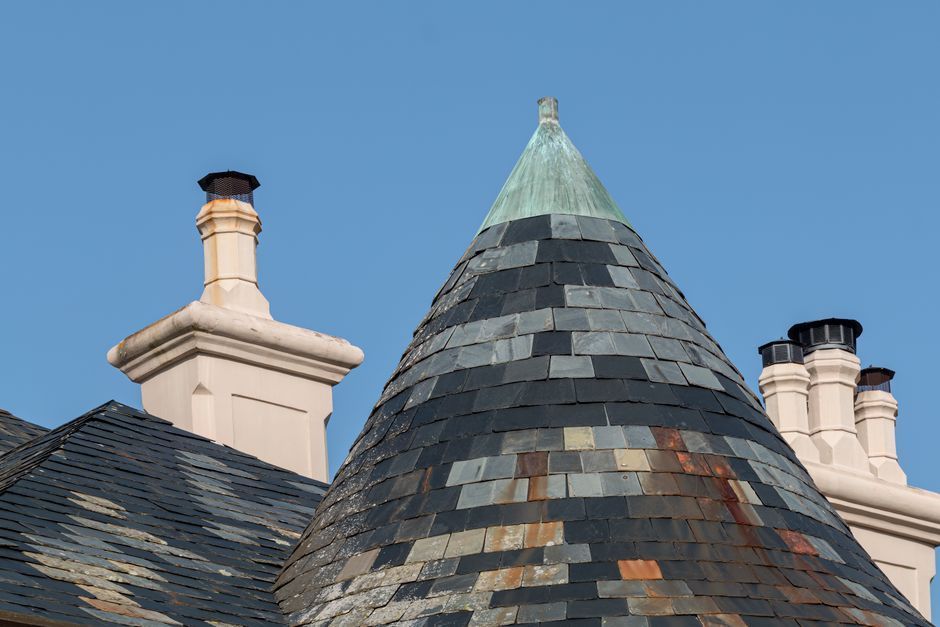
A flat run of slate is actually very good at shedding water, since that's all it has to do. The trouble starts wherever the roof changes direction or meets something else, like a chimney or a wall.
Those junctions rely on flashing and mortar to stay watertight, and both wear out faster than the slate around them. On an Edinburgh tenement with shared roofs and multiple chimney stacks, there are a lot of these weak points, and each one is a place the rain will test.
2. The chimney stack and its mortar
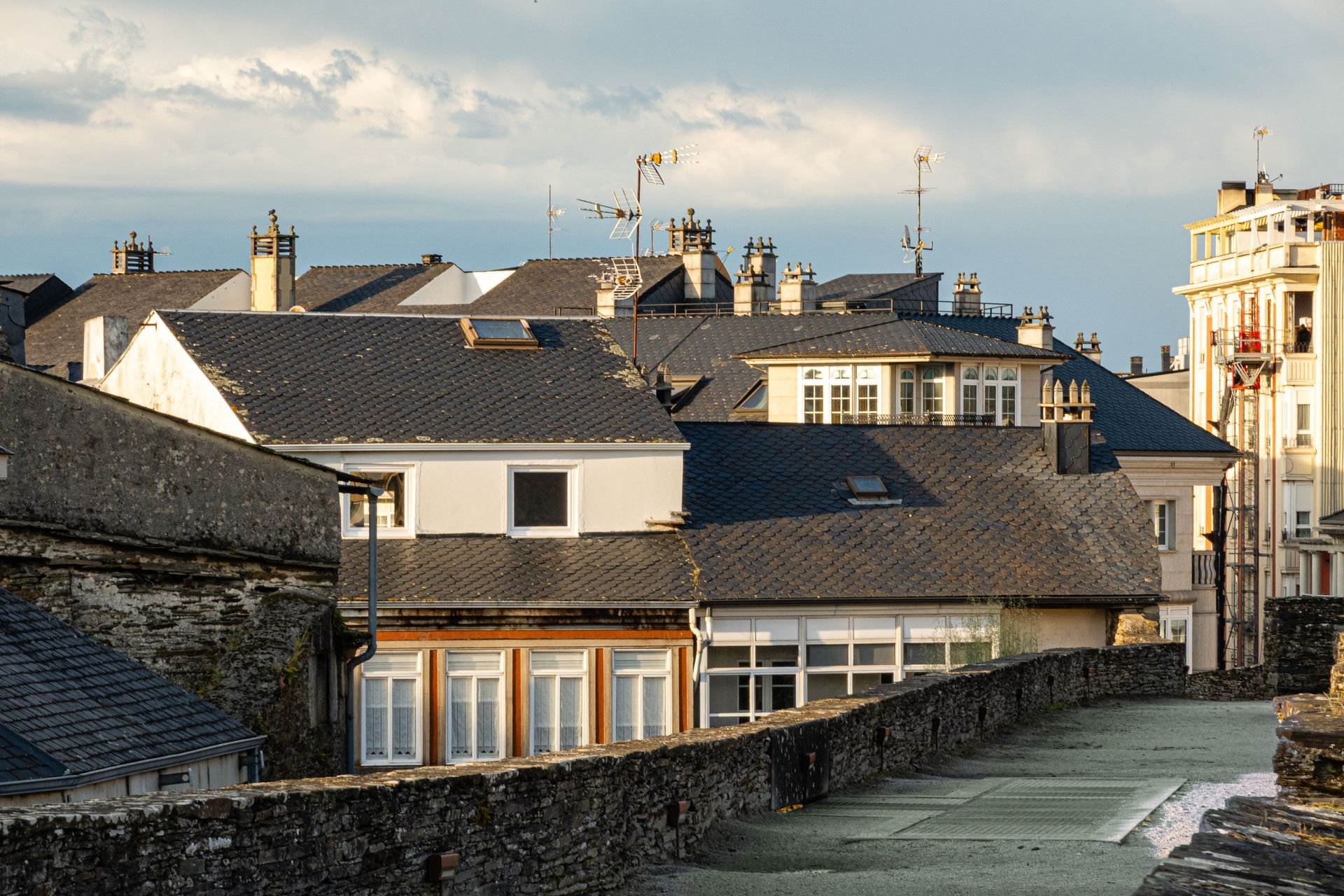
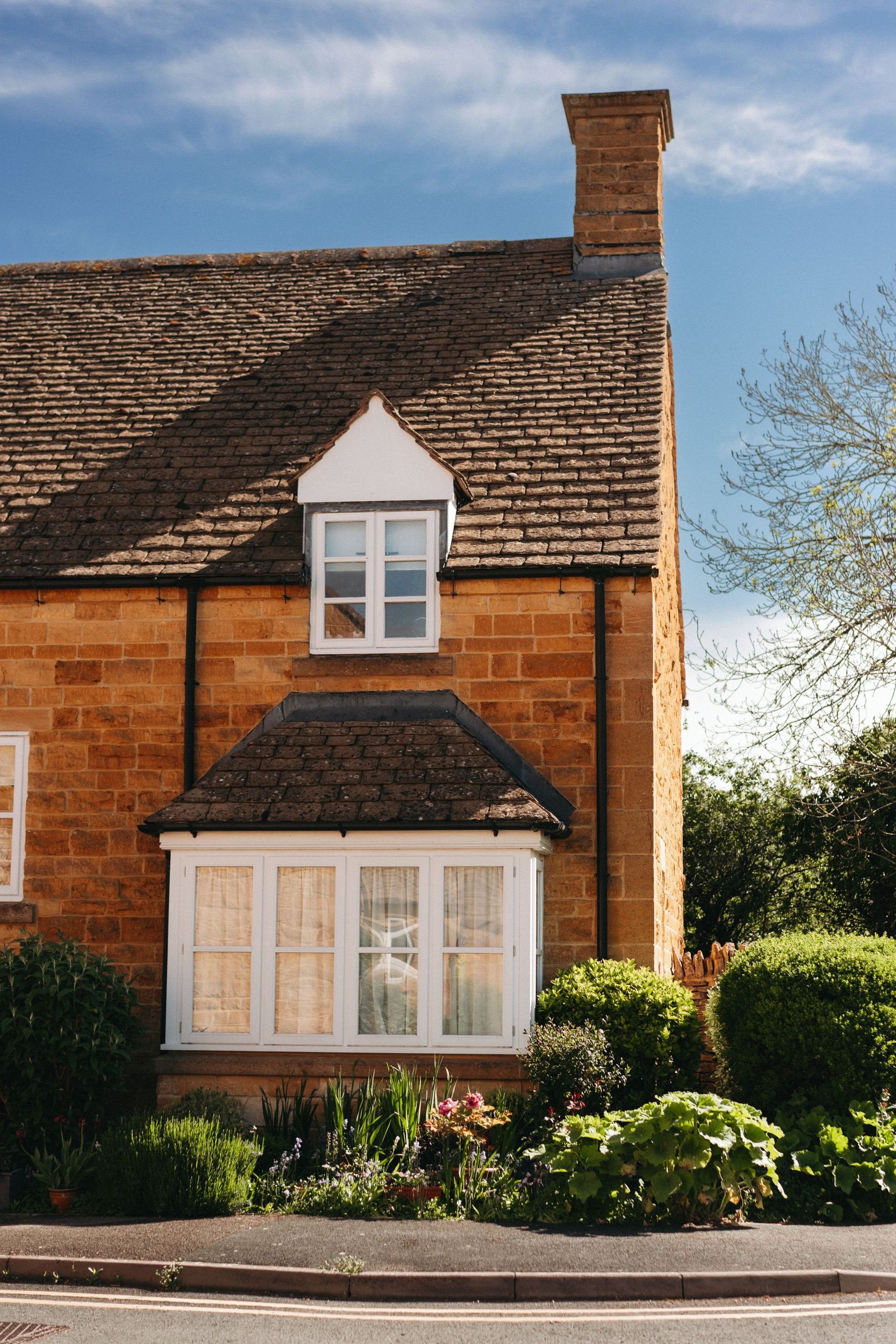
Plenty of Edinburgh homes still have their original chimney stacks, whether they're used or not. The mortar holding the brick or stone together takes decades of wind and rain, and slowly it cracks and crumbles.
Once that mortar goes soft, water gets in and moss takes hold in the gaps. When a roof is cleaned it's the ideal moment to look the stack over, since a crew is already up there and can spot loose pointing before it turns into a damp chimney breast in your bedroom.
3. Flashing: the metal that seals the gaps
Flashing is the strip of metal, usually lead, that seals the join where the roof meets a chimney, a wall or a valley. It bends over the awkward corners that tiles can't cover and keeps the water running the right way.
Edinburgh's weather is hard on it. Constant wetting and the wind off the Forth work lead loose over the years, and a lifted or split piece of flashing is one of the most common causes of a leak we see. A quick check while the roof's being cleaned catches it early.
4. The ridge line along the top
The ridge is the line of tiles capping the very top of the roof, where the two slopes meet. On traditional Edinburgh roofs these ridge tiles are bedded on mortar, and over time that mortar loosens.
A loose ridge tile is a real hazard in this city, where the wind can gust hard across exposed pitches in Morningside or up near the Braid Hills. A tile that works free can slide off and do damage below, so the ridge is always worth a look during a clean.
5. Where moss makes it worse
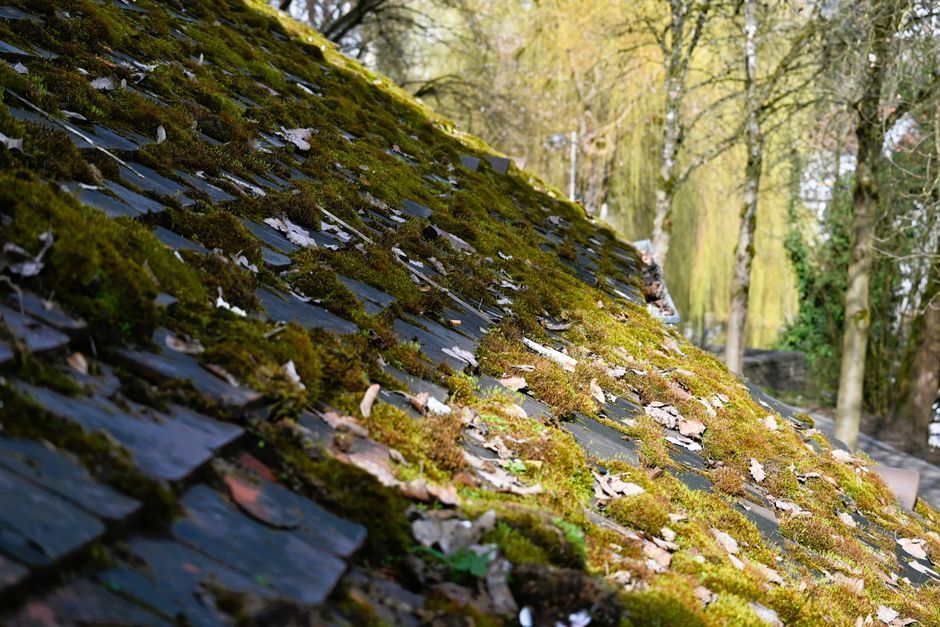
Moss loves these detailed areas. It gathers in the mortar joints around the chimney and along the ridge, holding damp against the very parts that are already the weakest.
That trapped moisture speeds up the decay. In shaded, north-facing spots common across Leith and the Old Town, moss packed into a ridge joint keeps it wet all winter, which is exactly how a small crack becomes a proper leak.
6. Why cleaning and checking go together
The sensible time to check the chimney, flashing and ridge is when the roof is already being cleaned. The access is sorted, the moss is coming off, and any weak spots are on full show.
We're not roofers and we don't pretend to be, but clearing the moss from these areas and flagging anything that looks off means you can get a repair sorted before winter. On an Edinburgh home, that early warning is worth a great deal.
- Chimney mortar: cracked pointing lets water in and grows moss in the gaps.
- Flashing: lifted or split lead around chimneys and walls is a top cause of leaks.
- Ridge tiles: loose mortar on the ridge is both a leak risk and a falling hazard.
- Moss traps damp: growth in these joints holds moisture against the weakest points.
- Check while cleaning: the best time to spot trouble is when the roof is already being worked on.
Frequently Asked Questions
What is roof flashing exactly?
It's the metal, usually lead, that seals the joins where your roof meets a chimney, wall or valley. It covers the gaps that tiles alone can't, and it's a frequent source of leaks when it lifts.
How do I know if my chimney mortar is failing?
Look for crumbling joints, loose bits of pointing on the ground, or damp patches on the chimney breast inside. A clean is a good chance to have the stack looked over from up close.
Are loose ridge tiles dangerous?
They can be. In Edinburgh's high winds a loose ridge tile can slide off and fall, so it's worth getting the mortar checked before it works fully free.
Does moss really damage these areas?
Yes, because it holds water against the mortar and metal that are already the weakest points. Clearing it from the joints slows the decay considerably.
Do you repair flashing and chimneys?
We clean the roof and clear the moss from these areas, and we'll flag anything that looks like it needs repair. The actual roofing work is then best handed to a roofer.
Not sure what's going on around your chimney and ridge?
Ben's Roof Cleaning carries out careful soft washing, moss removal and gutter cleaning across Edinburgh and Scotland, with over 15 years of experience. Get in touch or call 0131 202 2140
for a free, no-obligation quote.
The Small Details Keep the Rain Out
Your roof doesn't usually fail across the middle of a slope. It fails at the chimney, the flashing and the ridge, the fiddly joints that most people never think about. Keep the moss off them and get them looked over when your roof is cleaned, and you'll deal with the small problems long before they become the big, expensive ones.