Giving Your Roof a Spring Check After Winter
Once the worst of the cold has passed, your roof has quietly taken a beating that you probably haven't seen. A winter in Edinburgh throws frost, gales and weeks of rain at it, and spring is when any damage starts to show.
Giving your roof a proper look in spring means you catch the small problems while they're still small, before summer sun bakes them in or the next winter makes them worse. Here's what a sensible spring check involves and why it's worth the hour.
The quick answer: A spring roof check looks for slipped or cracked slates, blocked or damaged gutters, and fresh moss growth, so you can fix winter's damage before it turns into leaks and damp.
1. What winter does to a roof
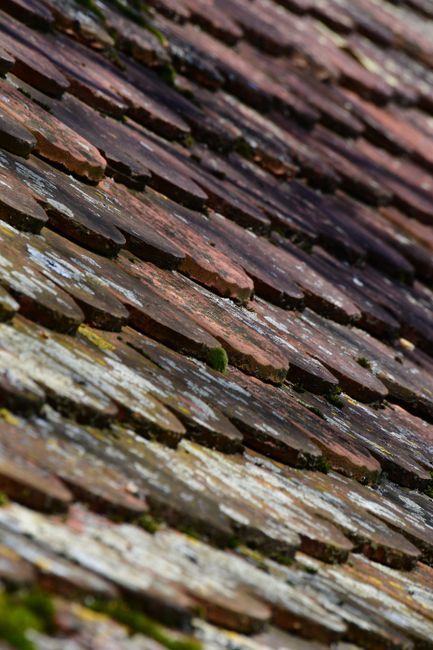
Edinburgh winters are hard on roofs in more ways than one. The wind that funnels in off the Firth of Forth lifts and loosens slates, while repeated frosts work into any tiny crack and prise it wider through freeze and thaw.
Add the sheer volume of rain and the odd storm, and a roof that looked fine in October can hide slipped slates and clogged gutters by March. None of it is obvious from indoors until water starts finding a way in.
2. Looking for slipped and cracked slates
Start with a look from the ground, ideally with binoculars. You're checking for slates that have slipped out of line, gone missing, or cracked, which is common on the older slate roofs across areas like Marchmont and the New Town.
A single displaced slate might seem minor, but it leaves a gap for wind-driven rain to get under the covering. Spotting it in spring means a quick fix rather than a damp ceiling by the following winter.
3. Checking the gutters
Winter fills gutters with the last of the autumn leaves, grit washed off the roof, and bits of moss. By spring they're often part-blocked, and a blocked gutter overflows down the sandstone walls that are so common on Edinburgh homes.
Look for plants sprouting in the gutter line, water stains on the wall below, or sagging sections pulling away from the fascia. Clearing them now sets you up for the summer and stops damp taking hold in the walls.

4. Spotting fresh moss growth
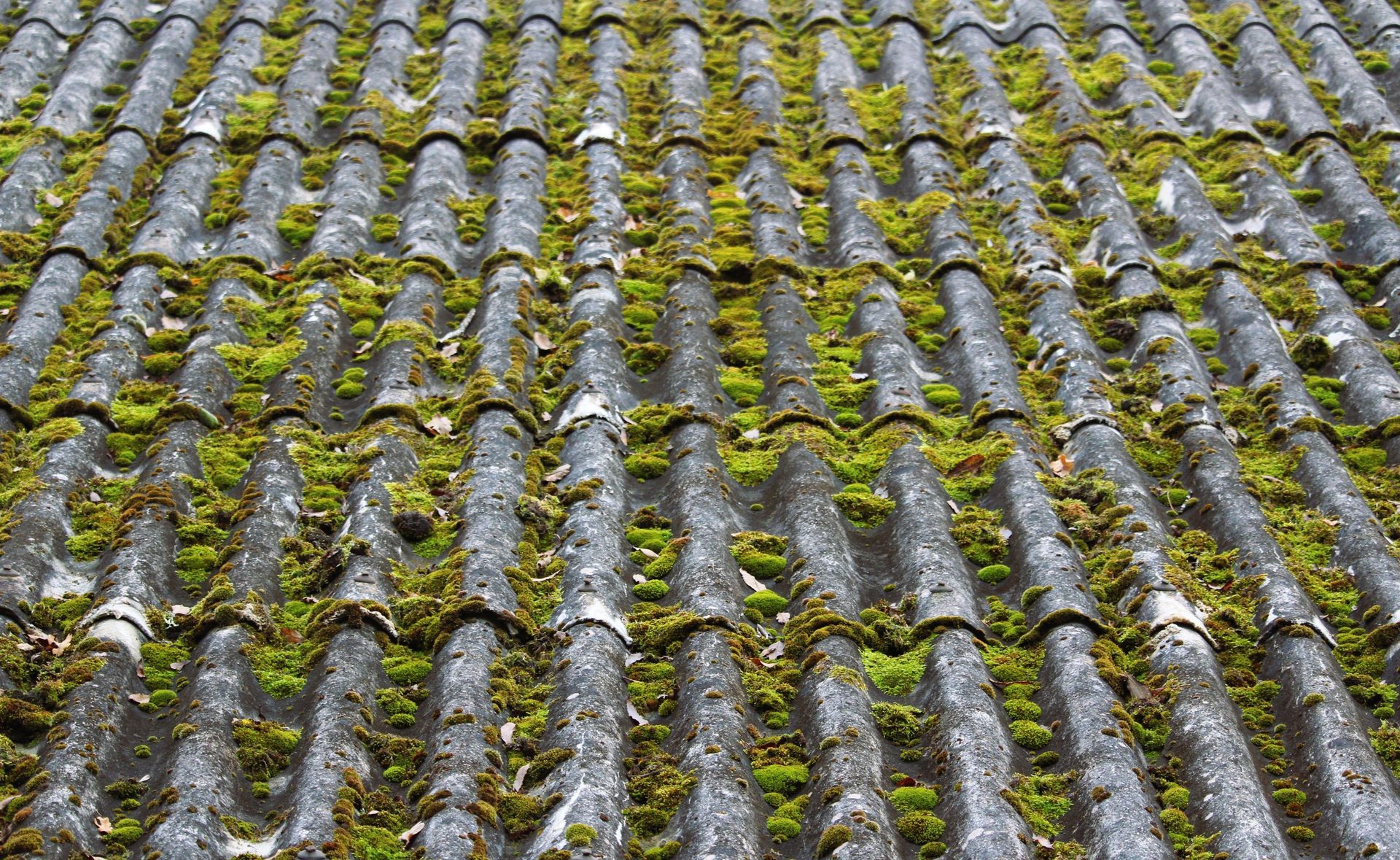
Moss does its best growing through the damp, mild spells of a Scottish winter, so spring is when you'll really see how much has taken hold. Green patches that were small in autumn can be noticeably thicker once the cold eases.
Catching it early is the easy path. A light spring treatment clears young growth before it spreads across the whole slope and starts shedding into the gutters, which is far simpler than tackling a thick carpet later on.
5. Chimneys, flashing and ridges
The joins are where winter often does its quiet damage. Frost and wind can loosen the mortar around a chimney, lift the lead flashing, or unseat a ridge tile, and these spots are behind a lot of leaks that puzzle people.
From the ground, look for daylight under a ridge, a leaning chimney pot, or dark streaks running down from flashing. Any of these are worth a closer, professional look before the wet returns in autumn.
6. Booking work while there's time
Spring is the ideal window to sort anything you find, because you're not fighting the weather and you've months of drier days ahead. Leave it until autumn and you're competing with everyone else who waited, right as the storms roll back in.
A spring clean and any small repairs also set the roof up to shrug off the next winter. For an Edinburgh home, that bit of forward planning is the difference between a calm season and a scramble when the rain arrives.
- Slipped slates: Wind and frost dislodge slates over winter, leaving gaps for rain.
- Blocked gutters: Leaves and moss clog gutters, sending water down the walls.
- Fresh moss: Mild damp winters grow moss fast, so spring shows the spread.
- Joins and flashing: Chimneys, ridges and flashing loosen and cause hidden leaks.
- Timing: Spring gives dry months to fix things before autumn storms return.
Frequently Asked Questions
Why check the roof in spring rather than autumn?
Because spring reveals winter's damage while you still have dry months to fix it. Waiting until autumn means repairing in worsening weather, often just as leaks start to show.
Can I do the spring check myself?
A ground-level look with binoculars for slipped slates and overflowing gutters is sensible and safe. Anything that needs you up on a steep, damp slate roof is better handed to a professional.
How do I know if winter has damaged my roof?
Look for slipped or missing slates, water stains on walls, sagging gutters, plants in the gutter line, or daylight around ridges and flashing. Any of these point to winter wear worth checking.
Is a little moss really a problem?
Small patches are easy to treat, but left alone through Edinburgh's damp climate they spread, block gutters and hold water against the roof, so spring is the time to deal with them.
What if I find something wrong?
Get it looked at sooner rather than later. Small spring repairs are cheaper and simpler than the leaks and damp that follow if winter damage is left until the next wet season.
Want your roof checked after winter?
Ben's Roof Cleaning offers roof cleaning, moss removal and gutter cleaning across Edinburgh and Scotland, with over 15 years of experience. Get in touch or call 0131 202 2140
for a free, no-obligation quote.
A little spring effort saves a lot later
Your roof carries you through the worst of the Scottish weather without complaint, and a spring check is how you return the favour. Look it over once the cold lifts, clear the gutters, treat any young moss, and get a professional eye on the chimneys and flashing if anything looks off. Sort the small stuff now, and your Edinburgh roof will be ready and watertight long before the next winter comes knocking.