Those Black Streaks on Your Roof: What the Algae Really Is
You've looked up at your roof and seen those dark streaks running down it like something has leaked from the ridge. It's easy to assume it's dirt or staining, and just as easy to wonder if it means the roof is on its way out.
The good news is that it's usually neither of those things. Those streaks are a living growth, and once you know what they are, dealing with them makes a lot more sense. Here's what the black marks on an Edinburgh roof really are and how they're cleared.
The quick answer: Those black streaks are algae, a living growth that feeds on damp roof surfaces, and they're cleared with a soft wash and biocide treatment rather than scrubbed off as if they were dirt.
1. What the black streaks actually are
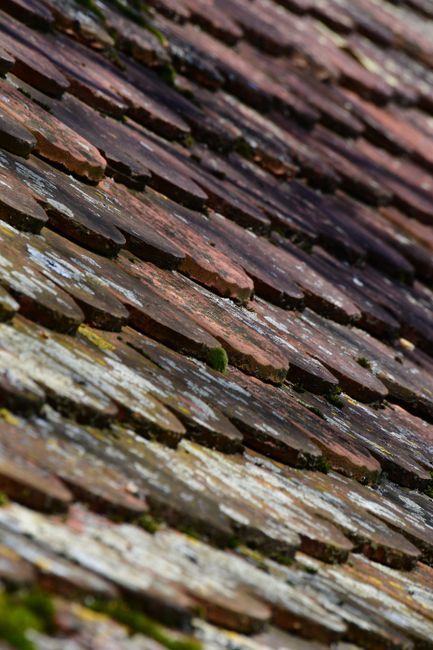
The dark staining is algae, a simple organism that spreads across roofs as airborne spores settle and take hold. It shows up as those tell-tale black or dark grey streaks running down the slope, following the way rainwater flows.
People often mistake it for soot, dirt, or a failing roof, but it's very much alive and growing. That's the important bit, because you can't just wash living algae off the way you'd rinse away ordinary grime.
2. Why it forms streaks
The streaky pattern isn't random. Algae tends to start near the ridge and spread downward as rain carries spores and nutrients along the slope, which is why you get those vertical runs rather than an even coating.
You'll often see it worst on the shaded, north-facing sides of a roof, where the surface stays damp longest. On a typical Edinburgh street, the backs of houses and the shadier slopes are usually where the streaks show up first.
3. Why Edinburgh roofs get it
Algae needs moisture, and Edinburgh supplies it generously. The damp air off the Firth of Forth, the frequent haar, and the long, wet winters keep roofs from ever fully drying out, which is exactly the environment algae thrives in.
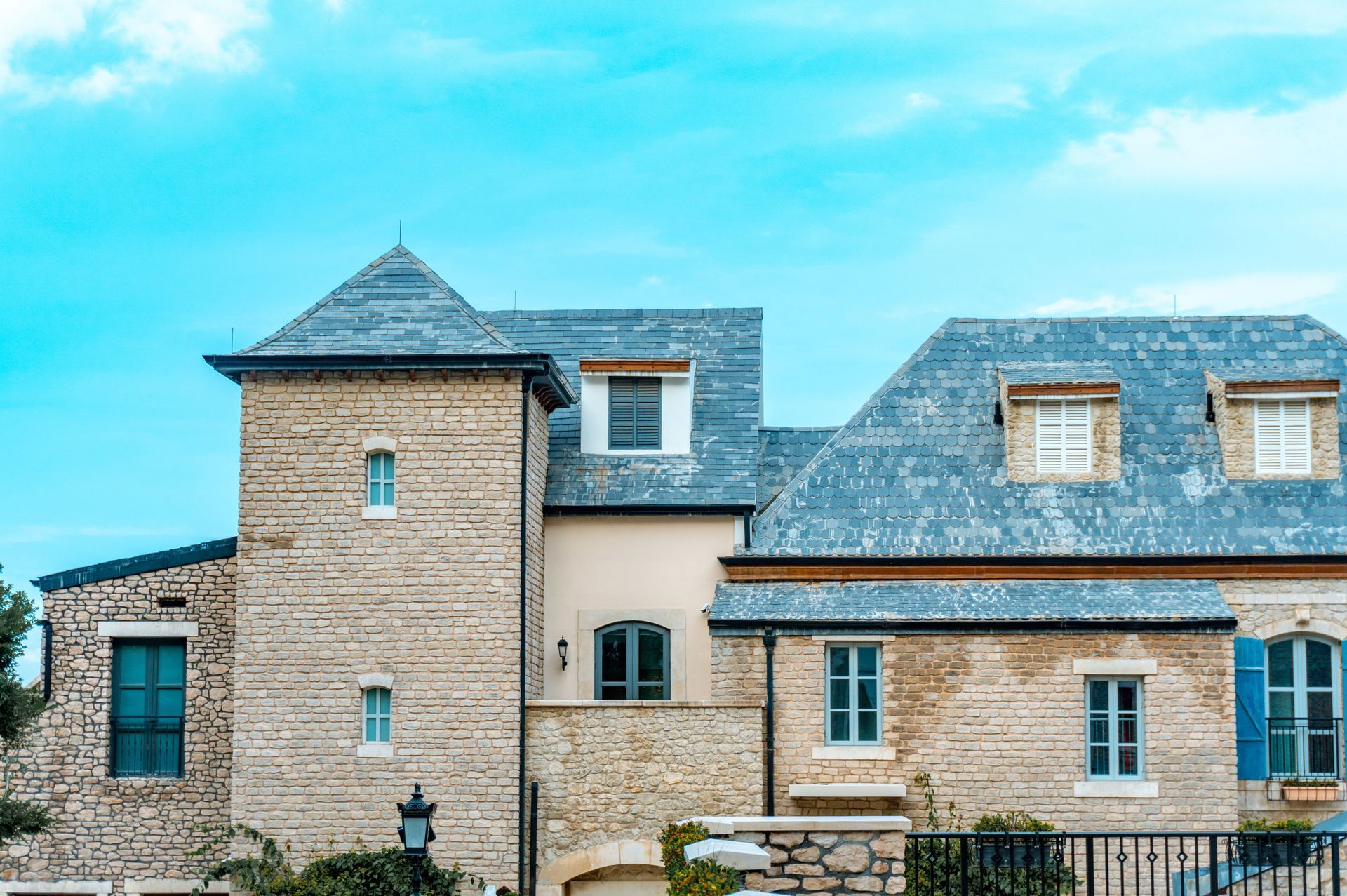
It'll grow on slate, concrete tile and other coverings alike, though smoother modern tiles can streak quite dramatically. Whether you're in a tenement flat in Leith or a semi in Corstorphine, the damp climate gives algae every encouragement.
4. Is it actually harming the roof
Algae is mostly a cosmetic problem at first, making a decent roof look tired and neglected. Left long enough, though, it holds dampness against the surface and often shares the roof with moss and lichen, which do cause more real trouble.
So while a few streaks won't collapse your roof, they're a sign the surface is staying wet and that other growth is likely getting a foothold too. Clearing the algae is part of keeping the whole roof in good order.
5. How it's properly cleaned
The right approach is a soft wash, which is low-pressure water paired with a biocide treatment. The treatment kills the algae rather than just smearing it around, so the streaks fade and are far slower to return.
This is worlds apart from taking a pressure washer to it. Blasting algae off a roof can crack slate, strip tile surfaces and drive water underneath, and it still leaves living growth ready to streak again within a season.
6. Keeping the streaks from coming back
Once the algae is treated, staying ahead of it is straightforward. A periodic maintenance wash keeps new growth from building back into heavy streaks, especially on those shaded slopes that never quite dry out.
Keeping gutters clear and trimming back overhanging branches helps too, since more light and airflow mean a drier roof. In Edinburgh's climate you won't stop algae forever, but you can keep it from taking over the view.
- It's algae: The black streaks are a living growth, not dirt, soot or staining.
- Streak pattern: It spreads from the ridge down as rain carries spores along the slope.
- Shaded slopes: North-facing, damp sides get it worst in Edinburgh's climate.
- Soft wash only: A low-pressure treatment kills it; pressure washing damages the roof.
- Stay ahead: Periodic washing and better airflow slow the streaks returning.
Frequently Asked Questions
Are the black streaks dangerous to my roof?
They start as a cosmetic issue, but they show the surface is staying damp and often come with moss and lichen that cause more harm. It's worth clearing them before other growth sets in.
Can I just scrub or jet wash the streaks off?
Scrubbing and pressure washing tend to damage the roof and leave living algae behind. A soft wash with a biocide kills the growth and gives a lasting result without harming the slate or tile.
Why is the algae worse on one side of my roof?
The shaded, north-facing slope stays damp longest, and algae loves moisture. That's why streaks usually appear there first and heaviest, particularly in Edinburgh's often overcast weather.
Will the streaks come straight back after cleaning?
Not if it's treated properly. A biocide kills the algae so it returns slowly, and a periodic maintenance wash keeps it from building back into heavy streaks.
Does algae grow on slate as well as tile?
Yes, it grows on slate, concrete tile and most coverings. Smoother tiles can streak more visibly, but Edinburgh's damp air encourages algae on roofs of every type.
Tired of black streaks down your roof?
Ben's Roof Cleaning offers roof cleaning, moss removal and gutter cleaning across Edinburgh and Scotland, with over 15 years of experience. Get in touch or call 0131 202 2140
for a free, no-obligation quote.
Streaks that come off with the right touch
Those dark runs down your roof look alarming, but they're just algae making itself at home on a damp surface, and Edinburgh's weather gives it plenty of chances. Once you know it's a living growth rather than a stain, the answer is clear: a gentle soft wash that kills it off, not a pressure washer that damages the roof. Treat it, keep an eye on the shaded slopes, and your roof can lose those streaks and hold onto a tidy look for years.