How Blocked Gutters Lead to Damp Walls
You've noticed a patch of damp creeping up an inside wall, or paint starting to bubble, and you can't work out where the water is coming from. More often than people think, the answer is right above your head in a gutter that stopped doing its job months ago.
Blocked gutters are one of the most common causes of damp walls, and they're easy to overlook until the damage is done. This guide walks through exactly how a clogged gutter ends up soaking into your walls, and why keeping them clear matters so much on an Edinburgh home.
The quick answer: When gutters block, rainwater overflows and runs down the walls instead of draining away, and that constant soaking pushes damp through the masonry and into the rooms behind it.
1. What a gutter is actually doing
A gutter has one simple job: to catch the water running off your roof and carry it safely down and away from the walls. When it works, the masonry below stays largely dry even through the heaviest downpour.
Block that path, and the system fails at the worst possible moment. Instead of being channelled to the downpipe, the water spills straight over the edge and starts running down the face of the building, exactly where you don't want it.
2. How gutters get blocked here
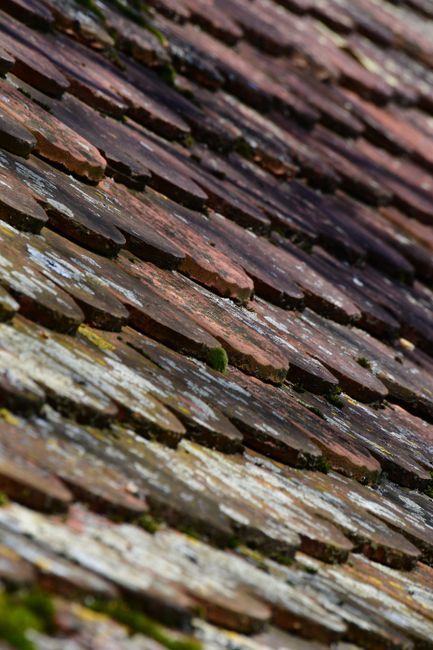
Edinburgh gutters fill up for a few reliable reasons. Autumn leaves from the city's many mature street trees are the big one, but moss shedding off the roof, windblown grit, and the odd nesting bird all add to the pile over time.
The damp climate makes it worse. With regular rain and the haar off the Firth of Forth keeping everything moist, debris in a gutter stays soggy and compacts into a dense, water-holding plug rather than drying out and blowing away.
3. Why sandstone walls suffer
A great many Edinburgh homes are built of sandstone, from New Town terraces to tenement stairs, and sandstone is porous by nature. It's fine when it can dry between showers, but a steady stream from an overflowing gutter keeps it saturated.
Once the stone is holding that much water, damp starts working its way through to the inside. On a shared tenement wall in an area like Marchmont, one blocked length of gutter can affect more than one flat.

4. The signs to watch for
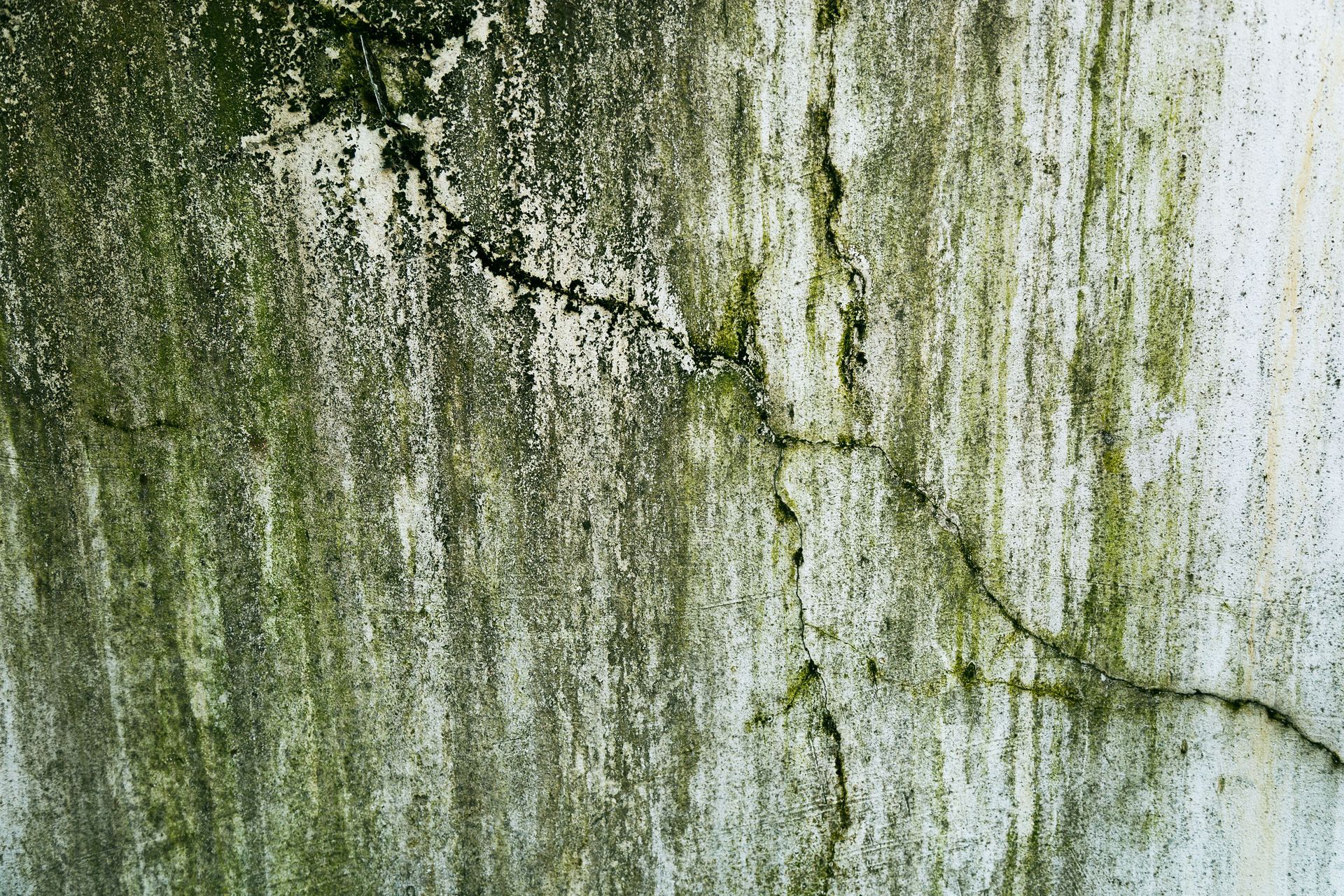
The clues often show outside first. Look for water cascading over the gutter in rain, green algae streaking the wall below a particular spot, or staining and moss on the masonry that isn't there elsewhere.
Inside, you might see damp patches, tide marks, peeling paint, or a musty smell against an outside wall. If any of those line up with a gutter above, the blockage is very likely the root of it.
5. The damage damp does over time
Left alone, penetrating damp doesn't just mark the walls. It can rot skirtings and timber, ruin plaster and decoration, and in a cold Edinburgh winter the trapped moisture makes rooms harder and pricier to heat.
The frustrating part is that the fix at the top is small compared with the repairs at the bottom. Clearing a gutter is a quick job; replastering a wall and treating damp is anything but, which is why catching it early pays off.
6. Keeping gutters clear the easy way
The simplest defence is regular gutter cleaning, timed around the seasons. A clear-out after the autumn leaves have fallen, and a check in spring, keeps water flowing to the downpipe through the wettest months of the Scottish year.
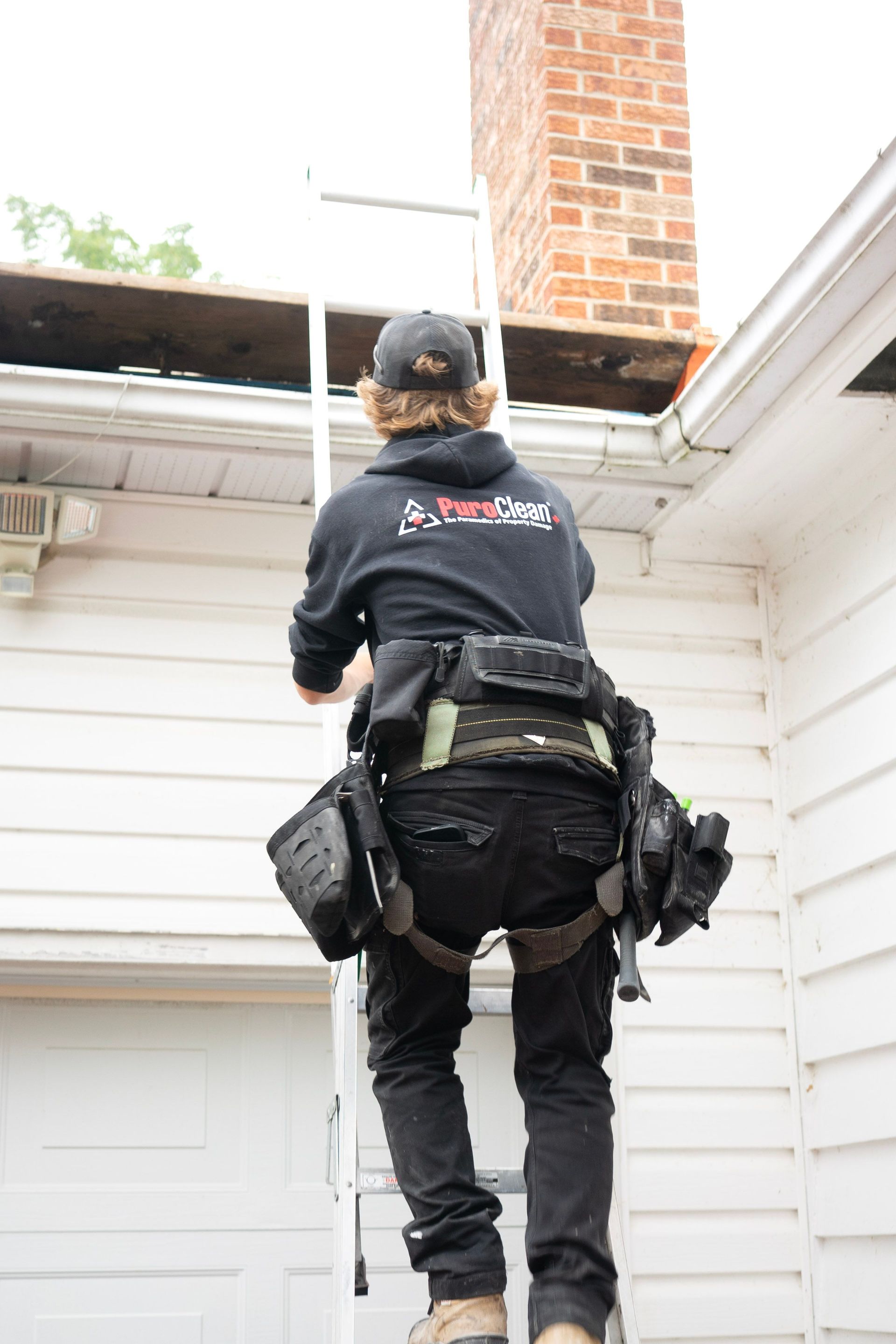
For anything above the ground floor, this is a job best left to someone with the right access equipment, given the heights involved on tenements and taller homes. Regular clearing is far cheaper than dealing with the damp that follows neglect.
- Overflow is the cause: Blocked gutters send water down the wall instead of the downpipe.
- Common culprits: Autumn leaves, shed moss and grit build into a soggy plug.
- Porous sandstone: Edinburgh's stone walls soak up constant running water fast.
- Watch the signs: Overflow, wall staining, and internal damp patches all point to it.
- Regular clearing: Seasonal gutter cleaning is a cheap way to prevent costly damp.
Frequently Asked Questions
Can a blocked gutter really cause damp inside my house?
Yes, very commonly. Overflowing water soaks the outside wall, and once porous masonry stays saturated, that damp works through to the inside surfaces and shows as patches or peeling paint.
How often should I have my gutters cleaned in Edinburgh?
Around twice a year suits most homes, with the main clear-out after autumn leaf fall and a check in spring. Properties near lots of trees may need it more often.
Why is damp worse on older stone houses?
Much of Edinburgh is built from porous sandstone, which absorbs water readily. When a gutter overflows onto it repeatedly, the stone can't dry out, so damp pushes through more easily than with some modern materials.
Can I clear the gutters myself?
A reachable ground-floor gutter with a stable ladder and a helper can be fine. Anything higher, which covers most tenements and taller homes, is safer with a professional and proper access gear.
Is it cheaper to just deal with the damp when it appears?
No. Clearing a gutter is a small, quick job, while treating penetrating damp, replastering and redecorating is far more costly, so prevention is much better value.
Worried a blocked gutter is causing damp?
Ben's Roof Cleaning offers roof cleaning, moss removal and gutter cleaning across Edinburgh and Scotland, with over 15 years of experience. Get in touch or call 0131 202 2140
for a free, no-obligation quote.
Clear gutters, dry walls
It's a small thing at the top of the house that causes an expensive problem lower down, and blocked gutters catch out plenty of Edinburgh homeowners every year. Water that can't reach the downpipe finds the next easiest route, which is straight down your sandstone wall and eventually into the room behind it. Keep the gutters clear through the seasons, act on the early signs, and you spare yourself the far bigger job of putting damp walls right.