What Happens During a Soft Wash, Step by Step
You've booked a soft wash, or you're weighing one up, and you want to know what the crew will actually do once they turn up at your door. That's fair, because your roof is a big investment and nobody likes handing it over to a process they don't understand.
Here in Edinburgh most of us live under slate or concrete tile, and a good deal of that slate has been up there since the tenements first went up. A soft wash is the gentle way to lift years of moss and algae off that surface without cracking a single tile. Let me walk you through it stage by stage, so you know what good work looks like before, during and after the job.
The quick answer: A soft wash is a low-pressure clean that uses a biocide treatment to kill moss and algae at the root, followed by gentle rinsing and clearing, so your roof gets clean without the hammering that high pressure gives fragile slate.
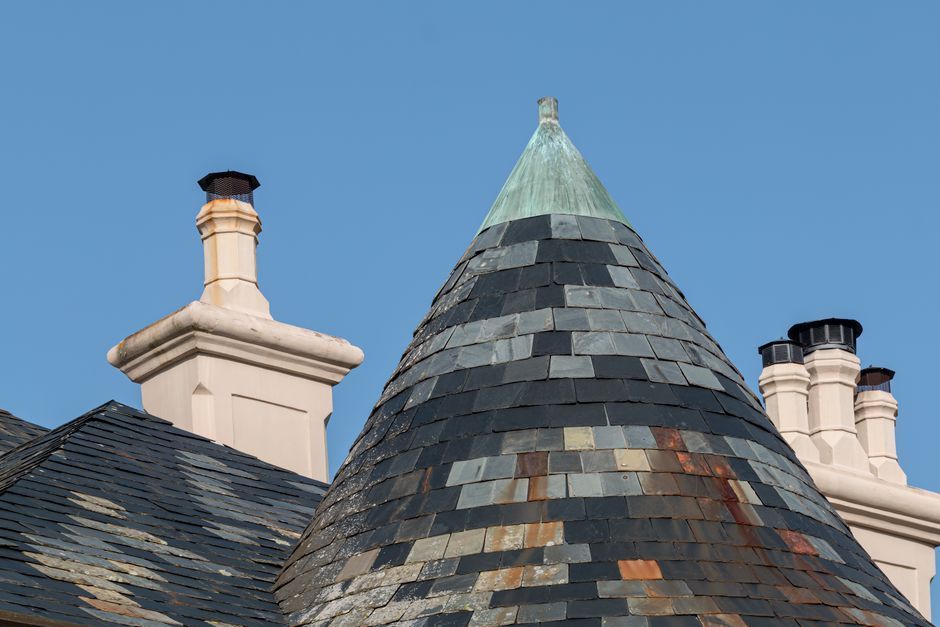
1. It starts with a proper look at the roof
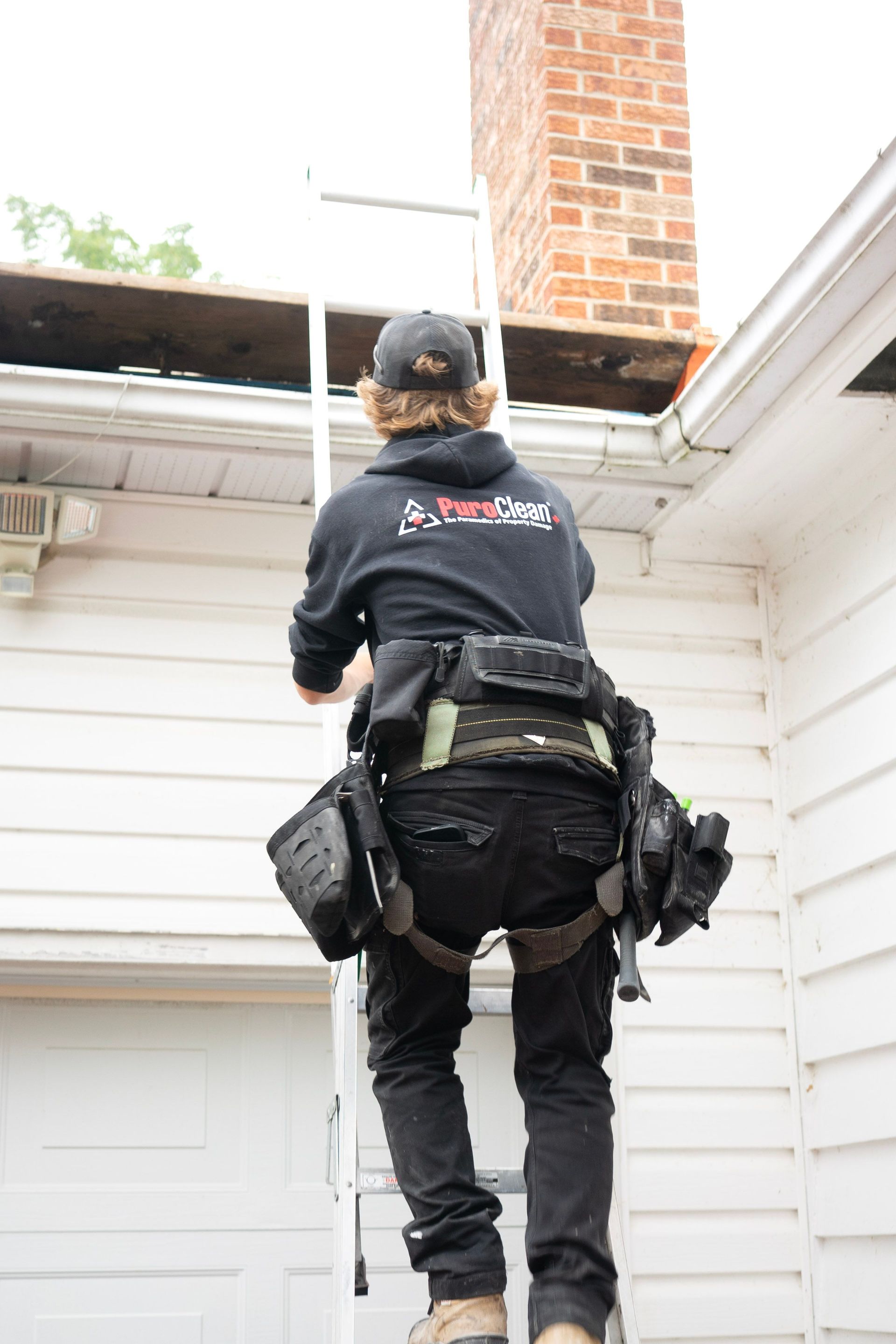
Every good soft wash begins before a drop of water comes out. The crew reads the roof from the ground and, where it's safe, gets up on a ladder or scaffold to check the state of the slate, the ridge line and the flashing around your chimney.
This matters more than people expect. A Marchmont tenement roof with a few slipped slates needs a different plan to a 1930s semi in Corstorphine wearing concrete tiles. We note the moss depth, any cracked tiles and where water is pooling, so nothing gets a soaking it can't take.
2. Clearing the loose moss by hand
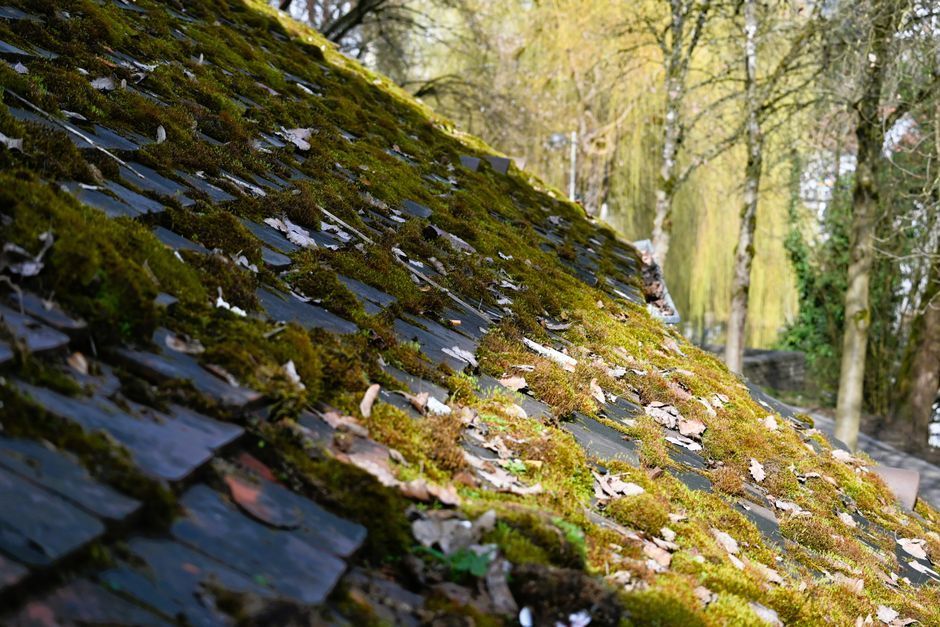
Once we know the roof, the thick stuff comes off first. Heavy moss gets scraped and brushed away by hand, working down the slope so the debris falls toward the gutter instead of packing under the tiles.
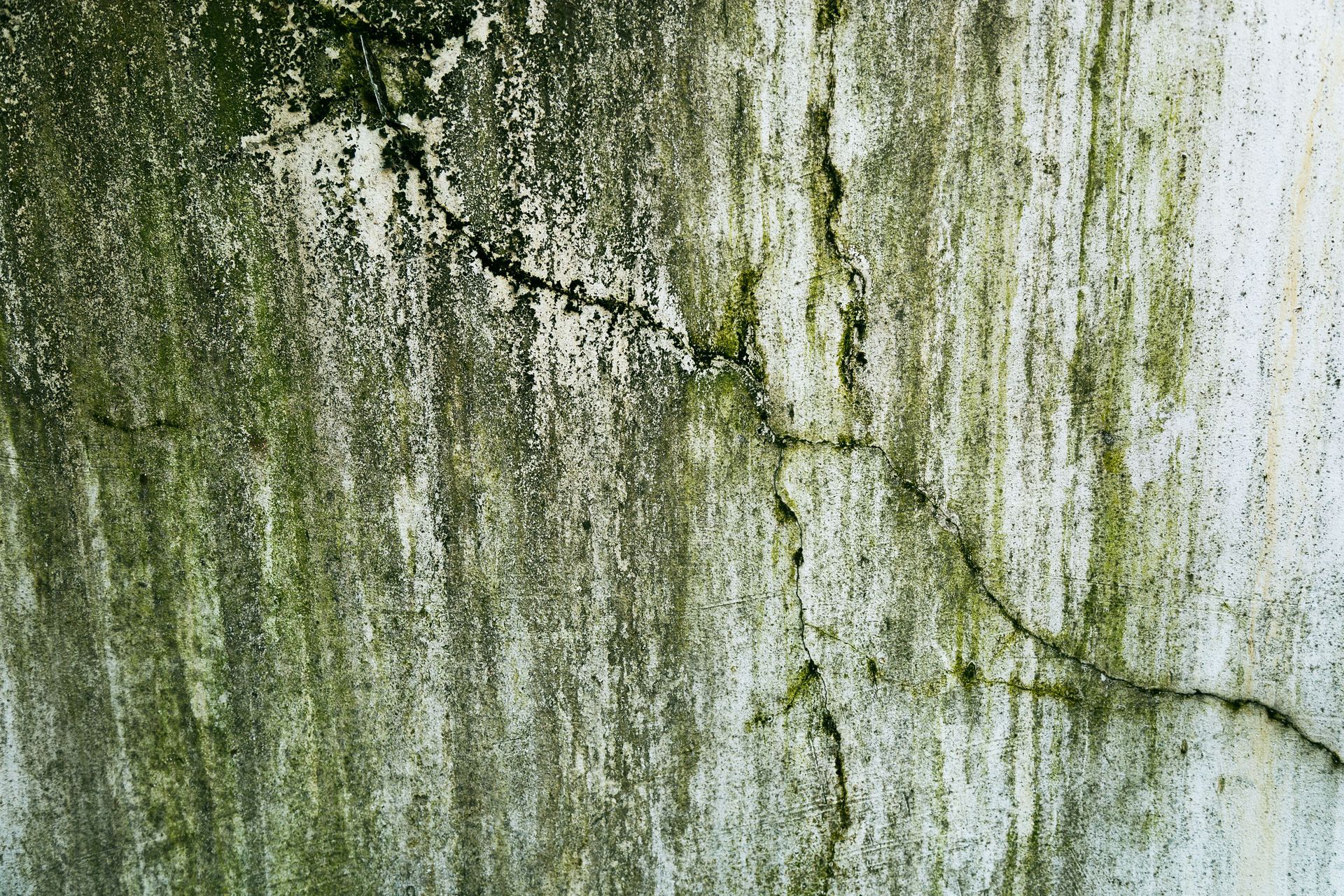
On plenty of Edinburgh roofs, especially the shaded north-facing pitches you see all over Stockbridge and the Old Town, the moss can sit a couple of inches deep. Taking it off gently by hand means the biocide can then reach the surface properly, rather than just sitting on a green cushion.
3. Sorting the gutters and downpipes
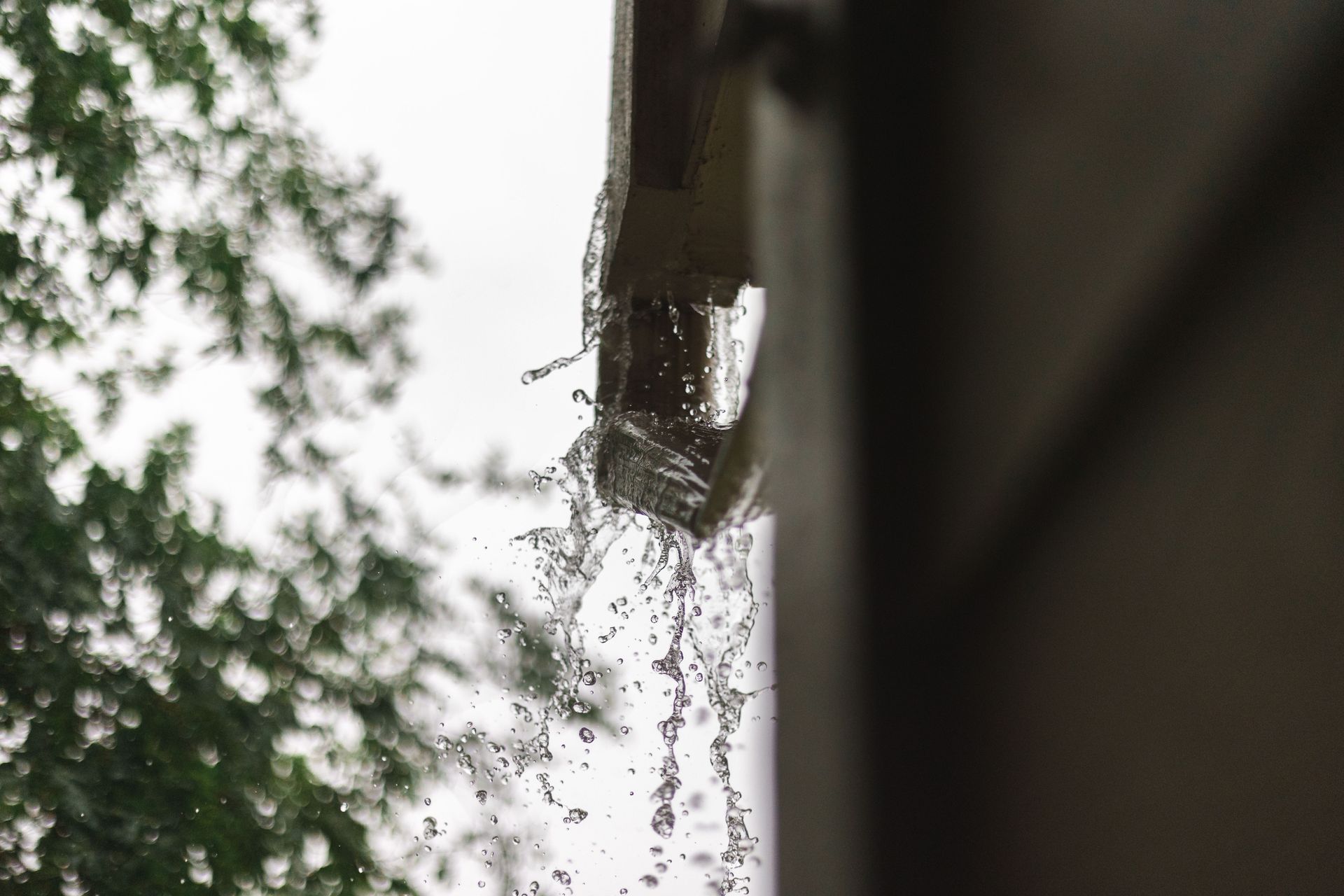
All that loosened moss has to go somewhere, so the gutters get cleared next. We scoop out the muck, flush the runs and check the downpipes carry water away freely again.
This step saves you a second callout. With the rain Edinburgh pulls in off the Firth of Forth, a gutter packed with wet moss will spill down your sandstone within a week, and that damp is the very thing you were trying to stop.
4. Applying the biocide treatment
Now the part that does the real work. A soft wash uses a biocide, spread at low pressure across the whole roof, that soaks into the moss, algae and lichen and kills it down at the root.
You won't see the roof go spotless the same day, and that's normal. The treatment keeps working over the following weeks, and the weather does half the job for us, with Edinburgh's steady rain slowly washing the dead growth away. It's a slower finish than blasting, but it holds far longer.
5. The gentle rinse and why the pressure stays low
Where a rinse is needed, we keep the water pressure low and the angle right, running down the tiles the way rain naturally falls. High pressure can drive water under slate and strip the granular coating off concrete tiles, so we simply don't put it near a roof.
That gentleness is the whole point on a period property. The slate on a Georgian New Town roof can be well over a hundred years old, and it earned that long life by being left largely undisturbed. A soft wash respects it.
6. The tidy-up and the weeks that follow
When the cleaning's done, we clear the ground, bag the moss and rinse off any paths or patios that caught the run-off. You shouldn't be left with a pile of green sludge by your back door.
Over the next month or two you'll watch the roof keep improving as the treatment finishes its work. In a damp, shaded spot like Leith or Bruntsfield, that slow steady change is exactly what keeps the moss from bouncing straight back.
- Survey first: the roof gets checked for slipped slates, cracks and problem areas before any water is used.
- Hand clearing: thick moss is brushed off gently by hand so nothing lifts the tiles.
- Gutters cleared: the loosened debris is removed and the downpipes flushed so nothing overflows.
- Biocide treatment: a low-pressure application kills growth at the root and keeps working for weeks.
- Low pressure only: no jet washing on slate or concrete tile, ever, to protect the surface.
Frequently Asked Questions
How long does a soft wash take?
Most homes are done in a day. A large tenement roof or one with very heavy moss can run longer, since the hand clearing and the survey take time to do properly.
Will my roof be clean straight away?
Not fully, and that's by design. The biocide keeps killing the moss and algae over the weeks that follow, so the roof carries on looking better long after we've packed up.
Is a soft wash safe for old slate?
Yes, that's exactly why we use it. Low pressure and a biocide do the work instead of force, which is what fragile Victorian and Georgian slate needs to stay intact.
Do you need to get on the roof?
Sometimes, and sometimes not. A lot of the treatment can be applied from ladders or the ground, and we only go up on the slate itself when the job genuinely calls for it.
How often should a soft wash be repeated?
Every few years for most Edinburgh homes. Shaded, north-facing and tree-lined roofs grow moss faster, so those may want a look sooner than a sunny, open pitch.
Ready to see your slate looking like slate again?
Ben's Roof Cleaning carries out careful soft washing, moss removal and gutter cleaning across Edinburgh and Scotland, with over 15 years of experience. Get in touch or call 0131 202 2140
for a free, no-obligation quote.
A Clean Roof Comes From Patience, Not Pressure
The best roof cleaning on an Edinburgh home isn't the loudest or the fastest. It's the careful survey, the moss taken off by hand, the biocide left to do its quiet work through the damp Scottish autumn. Get those steps right and your slate stays sound for years, which is the whole reason we do it this way.